
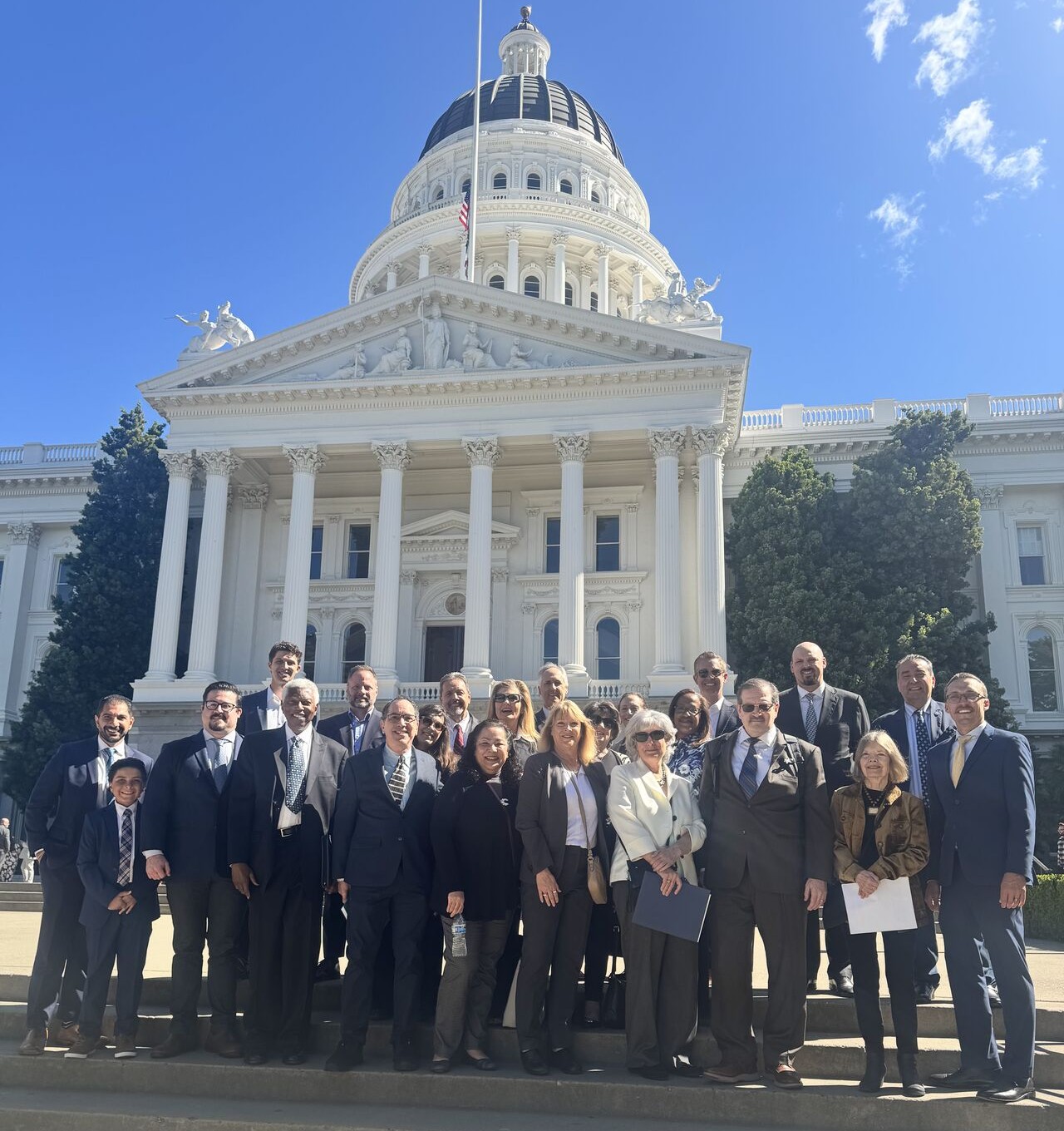
California Lobby Day 2026
On March 4th, California Mortgage Association and UTA held a successful California State Lobby Day in Sacramento.
24 attendees spent the day meeting with legislators to discuss matters impacting the real estate and lending industries at the State Capitol. Thank you to everyone who participated in fighting for these critical issues!
- – Protecting Borrower Equity in Foreclosure: AB 1957 (Pacheco) merely advances the “sunset date” on SB 1079 from January 1, 2031, to January 1, 2027, in recognition of the need to protect borrower equity in foreclosed homes and respond to the unfortunate but widespread abuse of the SB 1079 process. CMA and UTA are seeking an “AYE” vote on AB 1957.
- – Forbearance: Everyone involved in real estate understands the very real human impacts of wildfires and other disasters. At the same time, lenders and trustees should not be caught between state law and contract obligations to investors, including federal agencies. We want to work with Assembly Member Harabedian to make sure that this careful balance is retained.
- – Transfer of Mortgages: AB 2145 raises a host of difficult questions and contract issues. Retirement ages vary drastically according to individual circumstances. Must the borrower actually be retired? Is the replacement house suitable as security for a loan? What about the terms of the existing loan agreements between borrowers and lenders? What if the current loan is already in default? CMA and UTA are currently evaluating the bill, but unfortunately are likely to be in opposition.
- – “Zombie” Mortgages: CMA and UTA remain convinced that the terms of AB 130 will ultimately discourage the making of second mortgages in California. As you know, second mortgages is the main way that homeowners can access the equity in their properties, while retaining their low interest rates, in order to fund college for their children, replacement vehicles, and much more. As the lawsuit proceeds, we encourage the legislature to examine this practical problem and develop a collaborative solution.